Dr. Ronald Steiner
 Laura von Ostrowski
The first chapter: On the experience of absolute unity (samādhi).
Dr. Ronald Steiner - historic word by word translation



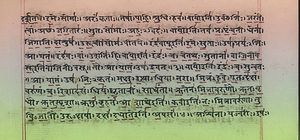
Patañjali begins his Yoga Sūtra with the basics: learning to distinguish your perception from your essence. This will allow you to immerse yourself in an experience of absolute unity (samādhi).
The first chapter: On the experience of absolute unity (samādhi).
Dr. Ronald Steiner - historic word by word translation
 Dr. Ronald Steiner
& more
Dr. Ronald Steiner
& more